
How Do Indemnity and Limitation‑of‑Liability Provisions Shift Risk in Maryland Real Estate Deals?
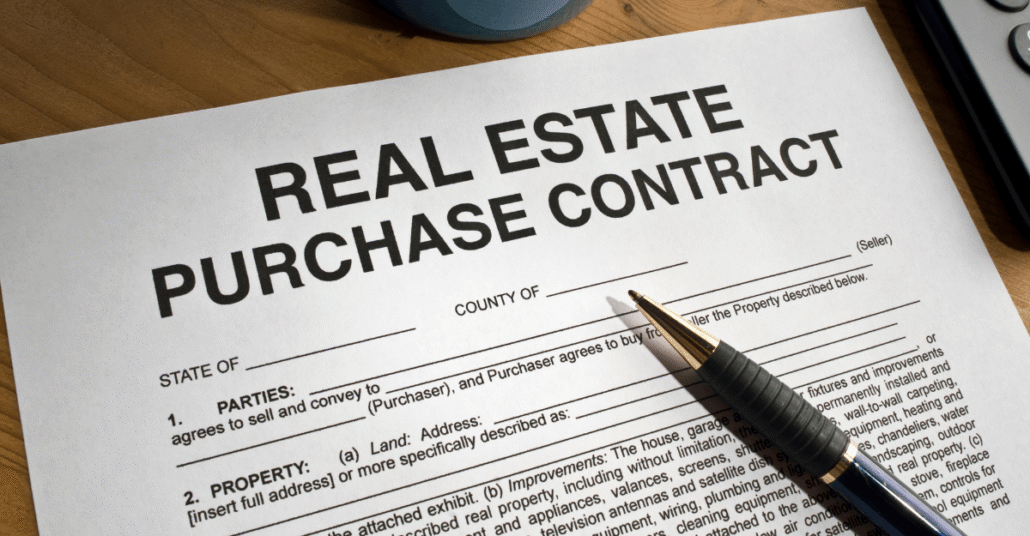
The ink dries on the purchase agreement for a thriving commercial plaza in Montgomery County. Handshakes are exchanged, keys are handed over, and the deal is officially closed. However, the true test of a commercial real estate transaction rarely happens at the closing table. It happens months or even years later, when an unexpected lawsuit lands on a property owner’s desk.
What Is the Difference Between Indemnity and Limitation of Liability?
Most property owners assume these two clauses serve the exact same purpose. They don’t. Blurring the lines between them often leaves commercial investors exposed to significant financial liabilities.
An indemnity provision looks outward. It is a legal promise by one party (the indemnitor) to protect the other party (the indemnitee) from claims brought by outside third parties. If a visitor, a vendor, or a neighboring property owner files a lawsuit against you, an indemnity clause forces the party actually responsible for the problem to step up, defend the lawsuit, and pay any resulting judgments. It effectively redirects the legal crosshairs.
A limitation-of-liability provision looks inward. It governs the internal relationship between the two parties who signed the contract. If a commercial buyer and a seller enter into a dispute over a breached purchase agreement, this clause dictates the maximum financial penalty the breaching party will have to pay. It creates a predictable ceiling for internal damages.
When used together correctly, these provisions form a comprehensive shield. They dictate what happens when you are sued by an outsider, and they control the financial fallout if the business deal itself falls apart.
How Does an Indemnity Clause Protect Maryland Property Owners?
Imagine you own a bustling retail center in Bethesda. One of your tenants operates a busy restaurant. An employee of the restaurant spills cooking oil near the back delivery entrance and fails to clean it up. A delivery driver slips on the oil, suffers a debilitating back injury, and decides to sue everyone in sight including you, the property owner, under a premises liability theory.
Without an indemnity clause, you are forced to hire a defense attorney out of your own pocket. Even if you are eventually cleared of any wrongdoing, the cost of litigating a commercial personal injury claim can easily reach tens of thousands of dollars. The disruption to your business operations is immense.
A properly drafted indemnity clause changes this scenario entirely. If your commercial lease includes a robust indemnification provision, the tenant is legally bound to assume your defense. This concept, known as the ‘duty to defend,’ means the tenant (or their insurance carrier) must hire the attorneys, pay the court fees, and handle the litigation from day one.
Furthermore, if the court awards a financial judgment to the injured delivery driver, the tenant must pay it. The indemnity clause shifts the entire economic burden of the third-party claim off your shoulders and places it squarely on the party who created the hazard. This ensures that a single careless act by a tenant does not threaten the profitability of your entire commercial portfolio.
What Are the Statutory Limits on Indemnification in Maryland?
You cannot simply force another party to take the blame for everything. While freedom of contract is a recognized principle, the state places strict boundaries on how far indemnification can go. Maryland Courts and Judicial Proceedings Article Section 5-401 explicitly voids agreements that attempt to indemnify a party for their sole negligence in contracts related to the construction, alteration, or maintenance of a building.
What does this mean in practice? If you hire a commercial roofing company to replace the roof on an industrial warehouse in Baltimore, your contract might contain an indemnity clause. However, if your own property manager actively ignores building code violations, directly causing a structural collapse that injures a worker, you cannot use the indemnity clause to force the roofer to pay for your manager’s exclusive mistakes.
The state legislature enacted this statute to promote safety and accountability. The law prevents property owners and general contractors from acting recklessly while hiding behind bulletproof indemnity contracts. If an accident is 100 percent your fault, public policy dictates that you must face the consequences.
A similar restriction exists for commercial leases. Under Maryland Real Property Article Section 8-105, a landlord cannot enforce an indemnity provision that seeks to shield the landlord from liability for their own negligence in areas of the property that remain under the landlord’s exclusive control, such as common lobbies, shared parking garages, or central elevators.
Drafting an indemnity clause requires precision. If you use generic, downloaded templates that demand sweeping, absolute indemnification for all acts of negligence, a Maryland judge will likely strike down the entire clause, leaving you with zero protection when a lawsuit arises.
Why Are Limitation-of-Liability Clauses Essential in Commercial Deals?
Predictability is the foundation of profitable commercial real estate. When you sign a contract, you need to know exactly what the absolute worst-case scenario looks like. Limitation-of-liability clauses provide this vital certainty by establishing a firm ceiling on potential damages.
These clauses typically operate in two ways. First, they can cap direct damages at a specific dollar amount. For instance, a property management agreement might state that the management company’s total liability for any breach of contract cannot exceed the total fees paid to them over the previous twelve months. This prevents a minor administrative error from bankrupting the management firm.
Second, and perhaps more importantly, these clauses often include mutual waivers of consequential damages. Consequential damages are the indirect financial ripple effects of a breach of contract. For example, if a seller delays the closing of a retail property by three weeks, the buyer might claim that the delay caused them to miss the lucrative holiday shopping season, resulting in hundreds of thousands of dollars in lost profits.
Without a waiver, the seller could be on the hook for those speculative, indirect losses. By explicitly waiving the right to seek consequential damages, lost profits, or punitive damages, both parties agree to limit their disputes solely to direct, measurable financial losses. This dramatically reduces the incentive for frivolous, inflated litigation and allows the transaction to proceed with clear, quantified risks.
Are Limitation-of-Liability Provisions Always Enforceable in Maryland Courts?
Commercial real estate investors are generally viewed by the courts as sophisticated parties capable of negotiating their own risks. Because of this, Maryland judges grant significant deference to contracts signed by commercial entities. If two businesses agree to cap damages at $50,000 in a multimillion-dollar transaction, the court will typically honor that agreement under the principle of freedom of contract.
However, this deference has limits. The courts draw a hard line between ordinary mistakes and intentional harm. A limitation-of-liability clause will successfully protect a party from ordinary negligence such as a simple oversight during a property inspection or a miscalculated construction timeline.
It will never protect a party from gross negligence, fraud, or intentional misconduct. If a commercial seller actively conceals a massive toxic mold infestation behind newly constructed drywall and deliberately lies on the disclosure forms, they cannot point to a limitation-of-liability clause to escape the consequences. Fraud invalidates the contractual shield.
Gross negligence involves a reckless disregard for the safety or rights of others. If a landlord ignores repeated warnings that a commercial balcony is actively collapsing, and someone is eventually hurt, a judge will refuse to enforce any damage caps. The courts refuse to allow contracts to serve as licenses for reckless, dangerous behavior.
How Do These Provisions Impact Commercial Tenant Leases?
The relationship between a commercial landlord and a tenant is ongoing and deeply intertwined. Every day the tenant operates their business on the premises, the risk of property damage or personal injury exists.
In a standard triple net lease, the landlord expects the tenant to shoulder the vast majority of the operational risk. The lease will contain extensive indemnification language requiring the tenant to hold the landlord harmless for any accidents occurring within the leased space. If a customer trips over a merchandise display, the tenant handles the fallout.
However, these clauses do not exist in a vacuum. They are intricately tied to commercial general liability (CGL) insurance requirements. A strong commercial lease not only requires the tenant to indemnify the landlord, but it also mandates that the tenant carry specific insurance policies naming the landlord as an ‘additional insured.’ This ensures that the tenant actually has the financial resources to fulfill their indemnity obligations. An indemnity promise from a bankrupt tenant is worthless.
Conversely, landlords utilize limitation-of-liability clauses to protect themselves from tenant claims of business interruption. If the landlord must shut off the water for three days to repair a major main line, a restaurant tenant loses substantial revenue. A well-crafted clause will state that the landlord is not liable for the tenant’s lost income during routine or emergency property maintenance, forcing the tenant to rely on their own business interruption insurance.
What Should Buyers Look for in Real Estate Purchase Agreements?
When purchasing commercial property, the purchase and sale agreement is your primary line of defense. Buyers must review risk allocation provisions with extreme scrutiny, particularly regarding the due diligence period and post-closing liabilities.
During due diligence, buyers often send inspectors, environmental consultants, and engineers onto the property. Sellers will rightfully demand an indemnity clause protecting them if the buyer’s contractor damages the property or gets injured while testing the soil. Buyers must ensure this indemnity is narrowly tailored to their actual activities on the site.
The real battleground, however, involves seller representations and warranties. Sellers often try to insert limitation-of-liability clauses that cap their post-closing liability to a shockingly low number sometimes limiting damages strictly to the amount of the earnest money deposit. If a major environmental hazard is discovered a month after closing, an artificially low damage cap leaves the buyer bearing the brunt of the cleanup costs.
Savvy buyers negotiate for mutual indemnification and survival periods. They push to ensure that the seller’s promises regarding the property’s condition survive the closing date for a reasonable period often 12 to 18 months and that the liability cap is set high enough to cover the cost of uncovering undisclosed, pre-existing defects.
When Should a Commercial Real Estate Portfolio Be Reviewed?
A commercial lease or purchase agreement drafted five years ago may not provide the protection you need today. The law is not static. Maryland appellate courts frequently issue rulings that alter the interpretation of indemnity language and public policy restrictions.
As your business scales and you acquire more properties across the state, your operational risks multiply. Relying on outdated, generic templates for new acquisitions or new tenant leases is a highly risky strategy. A clause that worked for a small retail storefront may be entirely inadequate for a multi-tenant industrial park.
Proactive property owners conduct comprehensive portfolio reviews every two to three years. This involves auditing active tenant leases, vendor agreements, and property management contracts to ensure the indemnification language reflects current Maryland statutes. It also guarantees that the insurance minimums required by the contracts keep pace with the rising costs of commercial litigation.
Protecting Your Commercial Real Estate Investments in Maryland
Securing a commercial property is an accomplishment, but safeguarding it from future liabilities requires foresight and precise legal planning. A single poorly worded contract clause can unravel years of hard work and profitable property management. At Nguyen Roche, we provide comprehensive representation for commercial real estate owners, business founders, and property management firms across Maryland. We understand the local legal environment and the meticulous strategies required to draft enforceable, highly protective risk allocation provisions.
Do not leave your commercial portfolio exposed to unpredictable litigation and third-party claims. Contact our office today to schedule a consultation, and let us help you build a solid legal foundation for your next real estate deal.
Frequently Asked Questions
Can I Use a Standard Indemnity Clause for My Maryland Properties?
Generic contracts pulled from the internet routinely ignore state-specific laws. If your boilerplate clause demands that a vendor indemnify you for accidents that are entirely your fault, a Maryland court will void the provision, leaving you entirely unprotected. Custom language tailored to your specific property type and operational risks is required for true legal security.
What Are Consequential Damages in a Real Estate Contract?
Direct damages represent the immediate, physical cost of a problem such as the cost to fix the roof itself. Consequential damages involve the secondary economic fallout, such as the loss of revenue, damaged business reputation, or missed market opportunities. Waiving these damages in a contract keeps dispute costs predictable.
Does Commercial Property Insurance Replace the Need for an Indemnity Clause?
Insurance policies have limits, deductibles, and specific exclusions. An indemnity clause forces the other party to cover the gaps and pay the deductibles if they cause the problem. Relying solely on your own property insurance means your premiums will skyrocket if a tenant causes an accident on your property.
Can a Limitation-of-Liability Clause Protect Me if I Intentionally Breach a Contract?
You cannot use a contract to shield yourself from the consequences of bad faith actions. If a court determines that a party acted with deliberate deception or reckless disregard for the safety of others, the judge will bypass the contractual damage caps and hold the responsible party fully accountable.
How Does a Hold Harmless Agreement Differ from Indemnification?
In practical terms, ‘holding harmless’ means a tenant agrees not to sue you if they get hurt on the property. ‘Indemnification’ goes a massive step further it means if a third party sues you because of the tenant’s actions, the tenant must actively hire lawyers to defend you and pay any resulting judgments.







Leave a Reply
Want to join the discussion?Feel free to contribute!