
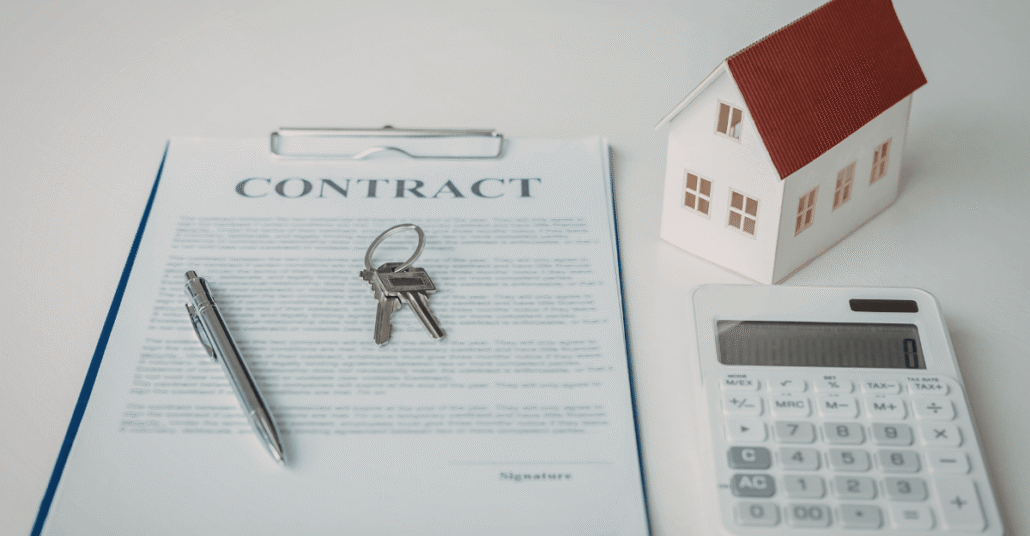
What Happens if a Party Walks Away From a Maryland Real Estate Contract?
The initial excitement of an accepted offer can quickly turn into anxiety when one party gets cold feet. In Maryland, a real estate contract is not just a placeholder; it is a binding legal agreement that imposes strict obligations on both the buyer and the seller. When someone attempts to walk away without a valid legal reason, it triggers a chain of financial and legal consequences that can leave the other party in a difficult position.
The Legal Framework of Maryland Real Estate Contracts
A residential contract of sale becomes enforceable the moment it is signed and delivered. Most transactions in the state utilize the Maryland Association of Realtors (MAR) Residential Contract of Sale, which contains specific language governing timelines and performance. A key concept in these agreements is the phrase “time is of the essence.” This legal term means that deadlines for deposits, inspections, and settlement are strict. Missing a deadline is not just a minor oversight; it can be considered a breach of contract.
The law distinguishes between a valid termination—exercising a right specifically granted in the contract—and a default. A default occurs when a party refuses to move forward without a contractual basis. For example, a buyer who simply finds a better house or a seller who decides they cannot bear to leave their garden is likely in default. This distinction determines whether the backing-out party gets their deposit back or faces a lawsuit.
When Can a Buyer Legally Terminate?
Buyers generally have more opportunities to exit a contract without penalty than sellers. These exit ramps are known as contingencies. If a buyer terminates the agreement based on a specific contingency and follows the correct notice procedures, the contract is void, and the earnest money deposit is typically returned.
- Inspection Contingency: This is the most common reason for termination. If the buyer is dissatisfied with the property condition following a home inspection, they can usually request repairs or void the contract, depending on the specific addendum used.
- Financing Contingency: If a buyer acts in good faith to obtain a loan but is rejected by the lender, they are generally protected. They must provide a written rejection letter to the seller to exercise this right.
- Appraisal Issues: If the property appraises for less than the agreed-upon purchase price, the buyer is not obligated to pay the difference unless they have waived this contingency. If the seller refuses to lower the price, the buyer can often walk away.
- HOA and Condo Document Review: Maryland law grants buyers of properties within a Homeowners Association or Condominium regime a specific period to review the association’s governing documents and budget. During this review period, the buyer can cancel the contract for any reason without penalty.
When Can a Seller Legally Terminate?
Sellers have fewer options for cancelling a ratified contract. The agreement is designed to bind the seller to transfer the property if the buyer performs their duties. However, a seller can terminate if the buyer fails to meet their obligations.
- Failure to Make Deposit: If the buyer does not deliver the earnest money deposit to the escrow agent by the agreed-upon date, the seller often has the right to void the contract.
- Missing Deadlines: If the buyer fails to provide a loan commitment letter or other required documents by the specified dates, the seller may issue a notice to perform. If the buyer still does not comply, the seller can terminate.
- Unresolved Contingencies: If the parties cannot agree on repair requests or price adjustments within the negotiation period, the contract may become void according to its terms.
Consequences of a Buyer Defaulting Without Cause
When a buyer defaults—meaning they walk away without a valid contingency—the seller faces financial harm. The property has been off the market, potentially missing out on other qualified buyers, and the seller may have incurred significant carrying costs such as mortgage payments, insurance, and utilities. Maryland law provides several well-defined remedies for sellers in this situation to recover their losses.
- Forfeiture of Earnest Money Deposit (EMD): The most immediate and common remedy is the retention of the earnest money deposit (EMD). While sellers often view this retention as automatic upon a buyer’s breach, it legally requires either a signed release agreement from both parties or a court order to be disbursed to the seller. The deposit is typically stipulated in the contract to serve as a form of liquidated damages, which is a pre-agreed-upon amount intended to compensate the seller for the time the property was off the market and for the inconvenience and expense of finding a new buyer.
- Suit for Actual Damages: If the amount of the earnest money deposit is insufficient to cover the seller’s losses, or if the seller chooses a different route, they can sue the defaulting buyer for actual damages. This often occurs if the seller eventually sells the home for a lower net price than the original contract price. In such a scenario, the seller can seek to recover the difference between the two contract prices. Furthermore, the seller may also claim damages for additional financial burdens incurred during the delay caused by the buyer’s default, including extra mortgage payments, property taxes, homeowner’s insurance, and utility costs accrued while the home was relisted.
- Litigation Costs and Attorney Fees: Many standard Maryland real estate contracts include a fee-shifting or “prevailing party” provision. This means that if the seller is forced to sue the buyer for breach of contract and is successful in the lawsuit, the contract may compel the breaching buyer to pay the seller’s reasonable attorney fees and court costs. This provision helps ensure that the seller is made financially whole, even after incurring the expense of litigation to enforce the contract.
Consequences of a Seller Defaulting Without Cause
A seller backing out is often more damaging to the buyer, who may have already sold their previous home, paid for inspections, or moved strictly to be in a specific school district. Because every piece of real estate is considered unique, monetary damages are often insufficient.
- Specific Performance: The buyer can file a lawsuit asking the court to force the seller to complete the sale. This is known as specific performance. While the lawsuit is pending, the buyer can file a lis pendens in the land records, which effectively prevents the seller from selling or refinancing the property until the dispute is resolved.
- Monetary Damages: If the buyer chooses not to force the sale, they can sue for all expenses incurred in reliance on the contract. This includes inspection fees, appraisal costs, title search fees, and temporary housing expenses.
- Loss of Bargain: If the market value of the home is higher than the contract price, the buyer may be able to sue for the difference in value, ensuring they are not priced out of a similar home due to the seller’s breach.
The Role of the Earnest Money Deposit
The earnest money deposit is often the first battleground when a deal collapses. It is important to know that a real estate broker or title company holding these funds cannot simply release them to the “innocent” party based on a phone call.
Under Maryland regulations, the escrow holder must maintain the funds until one of two things happens: both parties sign a written release agreement directing how the money should be distributed, or a court issues an order. If the buyer and seller cannot agree, the escrow holder may file an interpleader action, depositing the money with the court and letting a judge decide. This process can be time-consuming, which often motivates parties to negotiate a split of the deposit rather than going to court.
The Duty to Mitigate Damages
Maryland law imposes a duty on the injured party to mitigate their damages. This generally applies to sellers. If a buyer backs out, the seller cannot simply let the property sit vacant indefinitely and expect the buyer to pay for years of mortgage payments.
The seller must make reasonable efforts to resell the property. Damages are typically calculated based on the loss incurred despite these efforts. For instance, if the seller acts quickly but the market has softened, they can claim the difference in price. If they refuse reasonable offers, hoping to pile up damages against the original buyer, a court may limit their recovery.
Mediation as an Alternative to Court
Litigation is expensive and public. Recognizing this, many standard Maryland contracts include a mediation clause. This provision requires or encourages the parties to attempt mediation before filing a lawsuit regarding the deposit or the contract.
Mediation involves a neutral third party who helps the buyer and seller reach a voluntary agreement. It is often faster than waiting for a court date and allows for creative solutions. For example, a seller might agree to return a portion of the deposit in exchange for an immediate release, allowing them to put the house back on the market the same day without fear of future legal claims.
Next Steps for Resolving a Contract Dispute
Real estate agents are essential for marketing and negotiation, but they cannot provide legal advice. When a contract moves from a transaction to a dispute, the involvement of an experienced attorney becomes vital. At Nguyen Roche Sutton, we help clients in Annapolis, Bethesda, Baltimore, and across Maryland protect their financial interests in real estate matters. Whether you need to negotiate a release of deposit or pursue a claim for specific performance, we provide the clear, practical guidance necessary to resolve the situation.
Contact us today at (443) 702-5769 to schedule a consultation regarding your real estate contract issues. We can help you assess your options and work toward a resolution that protects your investment and your peace of mind.



Leave a Reply
Want to join the discussion?Feel free to contribute!