
The Benefits of Creating an Estate Plan in Maryland
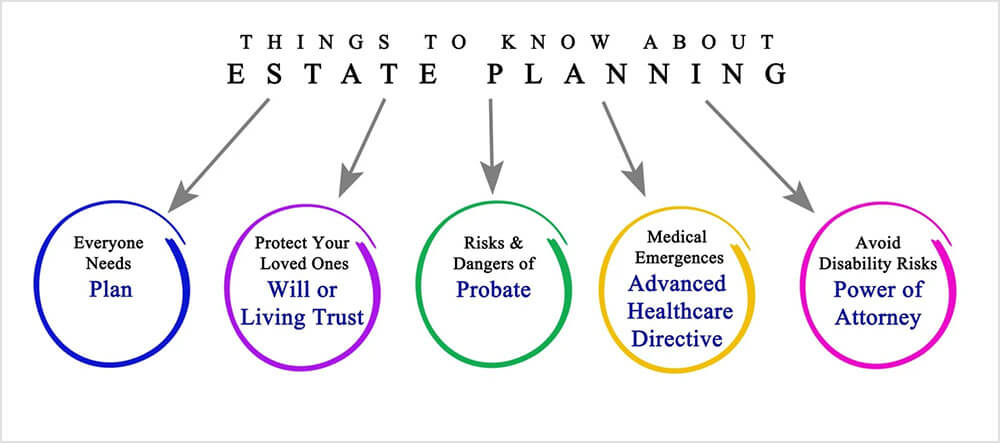
Estate planning is a crucial process that allows individuals to make informed decisions about the distribution of their assets and the management of their affairs in the event of incapacity or death. In Maryland, creating a comprehensive estate plan offers numerous benefits that can protect your interests, provide for your loved ones, and ensure your wishes are carried out according to law.
This blog post will explore the key components of a Maryland estate plan, its benefits, and important considerations for Maryland residents.
Key Components of a Maryland Estate Plan
Last Will and Testament
A will is a fundamental document in any estate plan. In Maryland, a valid will must be in writing, signed by the testator (the person making the will), and witnessed by two competent individuals, as required by Md. Code Ann., Est. & Trusts § 4-102. The will allows you to specify how your assets should be distributed upon your death and nominate a personal representative to manage your estate.
Revocable Living Trust
A revocable living trust is an increasingly popular estate planning tool in Maryland. This instrument allows you to transfer ownership of your assets to a trust during your lifetime while retaining control as the trustee. Upon your death or incapacity, a successor trustee manages and distributes the trust assets according to your instructions, often without the need for probate.
Power of Attorney
In Maryland, you can execute both financial and healthcare powers of attorney. These documents allow you to designate an agent to make financial and medical decisions on your behalf if you become incapacitated. Maryland law requires that powers of attorney be in writing and properly executed to be valid, as outlined in Md. Code Ann., Est. & Trusts § 17-101 et seq.
Advance Directive
An advance directive, also known as a living will, allows you to express your wishes regarding end-of-life medical care. Maryland law recognizes the importance of these documents in healthcare decision-making and provides specific forms for their creation under Md. Code Ann., Health-Gen. § 5-601 et seq.
Maryland Statutory Form Limited Power of Attorney
Maryland offers a statutory form limited power of attorney, which provides a standardized document for granting financial powers to an agent. This form, found in Md. Code Ann., Est. & Trusts § 17-203, can be a valuable addition to your estate plan, offering clarity and legal certainty.
Benefits of Creating an Estate Plan in Maryland
Minimizing Probate
Probate is the court-supervised process of administering a deceased person’s estate. In Maryland, probate can be time-consuming and costly. According to the Register of Wills for Maryland, probate fees can range from $50 to $2,500, depending on the estate’s value (Md. Code Ann., Est. & Trusts § 2-206). Additionally, executor fees and attorney fees can further increase costs. A well-crafted estate plan, particularly one utilizing a revocable living trust, can help minimize or avoid probate altogether, saving your beneficiaries time and money.
Example: John, a Maryland resident, created a revocable living trust and transferred his home, investments, and bank accounts into the trust. Upon his death, these assets passed directly to his beneficiaries without going through probate, saving his family thousands of dollars in probate fees and months of court proceedings.
Tax Benefits
Maryland imposes both an estate tax and an inheritance tax, making tax planning a crucial aspect of estate planning. As of 2021, Maryland’s estate tax exemption is $5 million, meaning estates valued below this threshold are not subject to state estate tax (Md. Code Ann., Tax-Gen. § 7-309). However, proper planning can help minimize tax burdens for larger estates through various strategies, such as gifting and trust creation.
Regarding inheritance tax, Maryland is one of the few states that still imposes this tax. However, direct lineal descendants (children, grandchildren, etc.), spouses, siblings, and parents are exempt from inheritance tax. Other beneficiaries may be subject to a 10% inheritance tax on their inheritances (Md. Code Ann., Tax-Gen. § 7-203).
Example: Sarah, a wealthy Maryland resident, worked with her estate planning attorney to implement a gifting strategy. By making annual gifts to her children and grandchildren within the federal gift tax exclusion limits, she was able to reduce the size of her taxable estate and potentially save her heirs hundreds of thousands of dollars in estate taxes.
Control Over Asset Distribution
Without an estate plan, your assets will be distributed according to Maryland’s intestate succession laws (Md. Code Ann., Est. & Trusts § 3-101 et seq.), which may not align with your wishes. By creating a comprehensive estate plan, you maintain control over how your assets are distributed, ensuring your loved ones are provided for according to your desires.
Protection for Minor Children
If you have minor children, an estate plan allows you to nominate a guardian to care for them in the event of your death (Md. Code Ann., Est. & Trusts § 13-701). Additionally, you can establish trusts to manage assets for your children’s benefit until they reach an age you deem appropriate for inheritance.
Example: Michael and Lisa, parents of two young children, created an estate plan that included a testamentary trust. In their will, they nominated Lisa’s sister as guardian for their children and established a trust to manage their assets. The trust provisions ensured that funds would be available for their children’s education and support, with full distribution of assets occurring when each child reached age 25.
Digital Asset Management
In today’s digital age, it’s crucial to consider your digital assets in your estate plan. Maryland has adopted the Revised Uniform Fiduciary Access to Digital Assets Act (Md. Code Ann., Est. & Trusts § 15-601 et seq.), which provides a framework for managing and accessing digital assets after death or incapacity. Your estate plan can include provisions granting your fiduciaries access to your digital accounts, ensuring proper management of your online presence and digital property.
Example: David, an avid cryptocurrency investor, included specific provisions in his estate plan granting his executor access to his digital wallets and exchange accounts. This foresight ensured that his valuable digital assets could be properly accessed and distributed to his heirs.
Special Needs Planning
For families with members who have special needs, estate planning is particularly crucial. A properly structured special needs trust can provide for a disabled loved one without jeopardizing their eligibility for government benefits. Maryland law recognizes and provides for special needs trusts under Md. Code Ann., Est. & Trusts § 14.5-1002.
Example: Robert and Emily have a daughter with autism who receives Supplemental Security Income (SSI). They created a special needs trust as part of their estate plan to provide for their daughter’s supplemental needs without disqualifying her from essential government benefits.
Consequences of Not Having an Estate Plan in Maryland
The Reality of Dying Intestate in Maryland
The primary issue with intestate succession is that it rarely aligns perfectly with a person’s actual wishes.
For example, many people assume that a surviving spouse will automatically inherit everything. However, in Maryland, if you die with a surviving spouse and minor children, the spouse only receives one-half of the estate, while the children share the other half. If the children are adults, the spouse receives the first $40,000 plus half of the remaining balance.
This can lead to significant financial strain for a surviving spouse who may need the full estate to maintain their quality of life or pay off a mortgage.
Family Conflicts and Potential Legal Battles
These legal disputes are not only emotionally draining during a time of grief but are also financially devastating. The costs of hiring litigation attorneys and the fees associated with prolonged court oversight are paid directly out of the estate’s assets. By the time a judge settles the dispute, the total value of the inheritance may be significantly depleted, leaving the intended heirs with far less than they would have received under a structured plan.
Lack of Control Over Healthcare and Incapacity
While the law provides a priority list of who can make decisions (e.g., a guardian, spouse, adult children, or parents), these individuals may not be the ones you trust most with life-altering medical choices.
Furthermore, without a Financial Power of Attorney, your family might be forced to petition the court for a “guardianship of the property” just to pay your bills or manage your investments. This process is public, expensive, and requires ongoing reporting to the court, all of which could be avoided with simple planning documents.
Recent Updates to Maryland Estate Tax Laws
If your estate exceeds this $5 million threshold and you have not utilized tax-saving strategies like trusts or lifetime gifting, your heirs could face a state estate tax of up to 16%. Regularly reviewing your plan is essential to ensure that you are taking advantage of “portability”—the ability of a surviving spouse to use the unused portion of their deceased spouse’s $5 million exemption—which requires specific filings with the Comptroller of Maryland.
Maryland’s Small Estate Administration
While this process is faster and requires less paperwork, it still necessitates filing with the Register of Wills. Even for small estates, having a will is beneficial because it allows you to waive the “bond” requirement, saving the estate the cost of paying an insurance company to guarantee the Personal Representative’s performance.
Comparing Maryland to Neighboring Jurisdictions
Delaware also lacks a state estate tax. Because Maryland is one of the few states that still maintains its own estate tax, residents must be particularly diligent. Working with an attorney who understands these nuances is the only way to ensure your legacy is protected from unnecessary taxation and state interference.

Selecting a Maryland Estate Planning Attorney
When creating or updating your estate plan, it’s essential to work with an experienced Maryland estate planning attorney.
Look for an attorney who:
- Specializes in estate planning and is familiar with Maryland’s specific laws
- Stays current with changes in state and federal estate planning regulations
- Can provide personalized advice based on your unique financial situation and family dynamics
- Has experience with complex estate planning tools such as various types of trusts and tax-saving strategies
Final Thoughts
Creating a comprehensive estate plan in Maryland offers numerous benefits, including probate avoidance, tax minimization, asset protection, and peace of mind. By working with an experienced Maryland estate planning attorney, you can ensure that your wishes are properly documented and legally enforceable, providing for your loved ones and protecting your legacy.
Remember, estate planning is not a one-time event. As your life circumstances change and laws evolve, it’s important to review and update your estate plan regularly to ensure it continues to meet your needs and goals.
Contact Us to learn more about your estate planning options. Call (443) 702-5769 or send a us message.
Disclaimer: This blog post is for informational purposes only and does not constitute legal advice. The information provided here may not be current or applicable to your specific situation. Laws and regulations change frequently, and their application can vary based on individual circumstances. Always consult with a qualified Maryland estate planning attorney for personalized advice regarding your estate planning needs.
Frequently Asked Questions: The Benefits of Creating an Estate Plan in Maryland
Why do I need a tailored estate plan in Maryland?
A comprehensive Maryland estate plan ensures your assets pass to chosen beneficiaries smoothly while minimizing probate costs and state taxes. Without a plan, statutory intestate rules under MD Code, Estates and Trusts § 3-101 dictate distribution. Proper planning protects your family, preserves wealth, outlines healthcare choices, and establishes legal guardians for minor children according to explicit statutory procedures.
How does an estate plan help my family avoid Maryland probate?
Living trusts, joint ownership, and transfer-on-death registrations under MD Code, Estates and Trusts § 16-107 transfer property directly to loved ones outside the Register of Wills proceedings. Avoiding formal probate reduces administrative court fees, eliminates lengthy public proceedings, and speeds up asset distribution. This proactive structuring keeps family financial matters private while protecting heirs from unnecessary stress.
What happens if I pass away without a will in Maryland?
Dying intestate means Maryland law dictates asset distribution among relatives under MD Code, Estates and Trusts § 3-102. Courts appoint a personal representative to manage assets, potentially creating delays and family friction. Unmarried partners receive nothing, minor children may require court-appointed guardians, and tax planning opportunities are completely lost, making legal preparation essential for asset protection.
Can an estate plan minimize Maryland estate and inheritance taxes?
Yes, strategic planning reduces tax exposure through irrevocable trusts, lifetime gifting strategies, and marital deduction provisions. Maryland imposes an estate tax and an inheritance tax under MD Code, Tax – General § 7-203, though direct descendants are exempt. Proper legal structuring ensures non-exempt relatives minimize tax liabilities, preserving a significantly larger portion of your accumulated wealth for future generations.
What is the difference between a Will and a Revocable Living Trust?
A will takes effect only after death and requires court probate to transfer property. A revocable living trust established pursuant to MD Code, Estates and Trusts § 14.5-601 manages assets during life and transfers them privately upon death. Trusts also provide seamless incapacity planning, allowing a designated successor trustee to manage assets immediately if you become disabled.
How does an estate plan protect my minor children in Maryland?
An estate plan lets you formally designate legal guardians for minor children under MD Code, Estates and Trusts § 13-101, preventing court custody disputes. Additionally, creating testamentary or standalone trusts prevents minors from inheriting assets outright at age eighteen. You name a trusted trustee to manage financial assets, funding education, living expenses, and healthcare until children reach a mature age specified by you.
What power of attorney documents should I include in Maryland?
A statutory financial power of attorney under MD Code, Estates and Trusts § 17-202 designates an agent to handle financial affairs if you are incapacitated. A Maryland Advance Directive designates a healthcare agent and specifies end-of-life care choices under MD Code, Health – General § 5-602. Having both durable documents prevents costly, time-consuming court guardianship proceedings during sudden medical crises.
How can an estate plan protect my beneficiaries from creditors?
By placing inheritances into discretionary or spendthrift trusts governed by MD Code, Estates and Trusts § 14.5-502, you shield assets from your beneficiaries’ creditors, future ex-spouses, and personal lawsuits. The trustee controls distributions, ensuring inherited wealth remains protected within the trust framework while still providing financial support and long-term security for your loved ones across their lifetimes.
When should I update my existing Maryland estate plan?
You should review your estate plan every three to five years, or immediately following major life events. Marriage, divorce, birth of children, buying real estate, moving states, or legislative changes to MD Code, Estates and Trusts § 4-105 warrant immediate updates. Keeping documents current ensures your legal provisions reflect current state statutes and accurately align with evolving personal goals and family circumstances.
How does an advance directive work under Maryland law?
Under MD Code, Health – General § 5-603, a Maryland Advance Directive combines a medical power of attorney with a living will. It allows you to select a healthcare representative and outline treatment preferences regarding life-sustaining procedures. This legal document ensures medical providers honor your personal wishes during emergencies and relieves family members of making agonizing medical decisions without clear legal guidance during crises.
Can an estate plan protect my business in Maryland?
Yes, estate planning coordinates business succession by establishing buyout agreements, transfer structures, and managing governance transitions under MD Code, Corporations and Associations § 4A-606. Without proper structure, unexpected death or incapacity can freeze company operations, cause partnership disputes, or force liquidation to pay taxes. A strong plan maintains business continuity, preserves commercial value, and protects ongoing income streams for your surviving family.
How do I choose the right personal representative or trustee?
Select a reliable, financially responsible individual or corporate trustee under MD Code, Estates and Trusts § 6-101 capable of managing complex administrative duties. Your representative must communicate well, understand legal obligations, and act impartially toward all beneficiaries. Naming backup fiduciaries is equally important, ensuring experienced oversight continues smoothly if your primary choice becomes unable or unwilling to serve when needed.
Last Updated: September 2026