
Nguyen Roche
  • Home
  • Lawyers
    • Jason Nguyen
    • Erin Roche
    • Aaron Goodwin
    • Matthew Thumser
    • Mark Sobel
    • Gary Damico
  • Practices
    • Business and Corporate Law
      • Commercial Litigation
    • Real Estate Law
      • Real Estate Litigation
    • Family Law
      • Divorce
        • High-Asset Divorce
      • Child Custody
      • Child Support
      • Alimony/Spousal Support
      • Adoption
      • Domestic Violence
      • Marital Agreements
        • Prenuptial Agreements
        • Postnuptial Agreements
      • Mediation
      • Paternity
      • Property Division
      • Visitation
    • Estate Planning Lawyers in Maryland
    • Criminal Defense Lawyer
      • Domestic Violence
        • Child Abuse
      • Drugs
      • DUI
        • Second-Offense DUI
      • Guns
      • Homicide
      • Theft
      • Sex Crimes
      • Child Pornography
    • Personal Injury
  • Industries
  • Let’s Talk
  • (443) 238-0160
  • Menu Menu
  • Our Firm
  • Insights
  • Resources
  • Inclusion
  • Careers
(443) 238-0160
  • Home
  • Lawyers
    • Jason Nguyen
    • Erin Roche
    • Tim Sutton
    • Aaron Goodwin
    • Matthew Thumser
    • Mark Sobel
    • Gary Damico
  • Practices
    • Business and Corporate Law
      • Commercial Litigation
    • Real Estate Law
      • Real Estate Litigation
    • Family Law
      • Divorce
        • High-Asset Divorce
      • Child Custody
      • Child Support
      • Alimony/Spousal Support
      • Adoption
      • Domestic Violence
      • Marital Agreements
        • Prenuptial Agreements
        • Postnuptial Agreements
      • Mediation
      • Paternity
      • Property Division
      • Visitation
    • Estate Planning Lawyers in Maryland
    • Criminal Defense Lawyer
      • Domestic Violence
        • Child Abuse
      • Drugs
      • DUI
        • Second-Offense DUI
      • Guns
      • Homicide
      • Theft
      • Sex Crimes
      • Child Pornography
    • Personal Injury
  • Industries
  • Our Firm
  • Insights
  • Inclusion
  • Careers
  • Resources
    • Reviews
    • Blog
    • Events
    • Pay Online
  • Let’s Talk

Tag Archive for: Probate Process

Why Estate Planning Is Critical for Maryland Business and Property Owners with Young Children

August 11, 2026/in Estate Law, Probate/by Nguyen Roche

Building a successful commercial enterprise along the Route 50 corridor or managing commercial real estate in Montgomery County takes relentless dedication. You pour years of late nights and early mornings into your investments, all to secure a stable future for your young children. Yet, an unexpected tragedy can instantly unravel a lifetime of hard work if you have not formalized a wealth transfer plan.

Many successful entrepreneurs assume their spouses will simply take over the company, or that their children will naturally inherit their assets without interference. The legal reality is far more complicated. Without legally binding directives, state statutes take control of your legacy, often resulting in frozen business accounts, court-appointed property managers, and bitter family disputes over who will raise your children.

What Happens to Maryland Property If You Die Without a Will?

If a Maryland resident dies without a will, state intestacy laws dictate asset distribution. Property automatically passes to surviving spouses and children. When minor children inherit directly, the Maryland Orphans’ Court must appoint a property guardian to manage the assets until the child turns eighteen.

Dying without a formal testamentary instrument triggers intestate succession. This rigid legal framework strips you of all control over who receives your hard-earned assets. The state distributes your property based entirely on bloodlines and marital status, completely ignoring any verbal promises you made to business partners or friends.

The situation becomes exceedingly complex when minor children are involved. By law, individuals under the age of eighteen cannot independently own, manage, or sell real estate and significant financial accounts. If a portion of your estate passes directly to your young child, the government steps in.

The Maryland Orphans’ Court, which handles probate matters in each county, including Baltimore City, will appoint a guardian of the property. This court-appointed individual takes control of the child’s inheritance. Every time the surviving parent wants to access those funds for the child’s education, medical care, or basic support, they must file formal requests with the court.

This mandatory oversight drains the estate through ongoing legal fees, mandatory accounting filings, and bonding requirements. The process creates a bureaucratic nightmare for the surviving parent, who is already dealing with a profound personal loss. Drafting a comprehensive estate plan bypasses this restrictive system entirely.

How Do Maryland Courts Handle Guardianship for Minor Children?

Maryland law allows a surviving parent to appoint a guardian for a minor child through a valid will. Without this legal designation, the court decides who raises the children based on familial relations, which can lead to bitter custody disputes among surviving relatives.

Raising your children is a highly personal responsibility, yet failing to name a legal guardian leaves this monumental decision up to a judge. Under Maryland Code, Estates and Trusts Article, Section 13-701, a surviving parent has the explicit legal authority to appoint one or more guardians of the person for an unmarried minor through a written will.

If both parents pass away without leaving this critical document, the District Court of Maryland or the local circuit court must determine guardianship. Multiple well-meaning relatives from grandparents in Annapolis to aunts in Prince George’s County may step forward to claim custody. This vacuum of intent frequently triggers emotionally devastating and financially draining custody litigation.

Judges try their best to determine the child’s best interests, but they do not know your family dynamics. They might select a financially stable relative who does not share your moral values or child-rearing philosophy. Formalizing your wishes guarantees your children are raised by the individuals you trust most.

Why Are Revocable Living Trusts Preferable for Property Owners?

A revocable living trust allows Maryland property owners to manage their assets during their lifetime and transfer them outside of the public probate process. For parents, trusts ensure a designated trustee manages inherited wealth according to specific instructions until minor children reach maturity.

The probate process is entirely public. Anyone with an internet connection can look up your estate records, discover the exact value of your business, and see what your children inherited. This public exposure attracts predators, aggressive creditors, and unwanted solicitations targeted at grieving families.

A revocable living trust operates as a private, highly efficient alternative. You transfer ownership of your real estate, business interests, and financial accounts into the trust while you are alive. You remain the primary trustee, retaining total control over your portfolio. You can buy, sell, or leverage your assets exactly as you did before.

The true power of this legal instrument activates upon your passing. The trust instantly transitions to your named successor trustee. This individual assumes a strict fiduciary duty to manage the assets for the benefit of your minor children. Because trust administration occurs outside the courtroom, your family avoids probate fees, mandatory waiting periods, and public scrutiny.

Managing Real Estate Assets for Minors

Minor children cannot legally own or manage real estate in Maryland. Establishing a trust allows a chosen trustee to maintain, lease, or sell residential and commercial properties on behalf of the children, preventing courts from intervening in family real estate portfolios.

Owning multiple properties creates significant wealth, but transferring that real estate to a minor child creates immediate logistical barriers. A young teenager cannot legally sign a commercial lease, authorize emergency roof repairs, or execute a deed of sale.

If properties fall into a court-managed guardianship, the appointed guardian must petition a judge just to replace an HVAC system or renew a tenant’s lease. This paralyzes your real estate operations and severely impacts profitability.

By placing your properties inside a trust, your successor trustee holds the immediate legal authority to perform vital property management functions without asking a judge for permission. A well-drafted trust empowers your trustee to:

  • Collect rent from commercial or residential tenants
  • Authorize emergency repairs and routine property maintenance
  • Pay property taxes, insurance premiums, and municipal utility bills
  • Refinance mortgages to secure better interest rates
  • Liquidate underperforming properties and reinvest the capital

This seamless transition of authority ensures your real estate portfolio continues generating revenue for your children’s upbringing rather than deteriorating during a lengthy legal battle.

Protecting Inheritances with Spendthrift Provisions

A spendthrift provision within a trust protects inherited assets from a beneficiary’s future creditors. This legal safeguard ensures that a child’s inheritance is shielded from lawsuits, bankruptcy, or business failures when they eventually enter the professional workforce or start their own ventures.

Leaving a massive lump sum of cash to an eighteen-year-old is rarely a sound strategy. Young adults frequently lack the financial literacy to manage significant wealth, making them vulnerable to poor investments and predatory individuals.

You can design your trust to distribute funds incrementally. For example, the trustee might release funds for college tuition at eighteen, provide a down payment for a house at twenty-five, and distribute the remaining principal when the child turns thirty. Until those specific milestones hit, the money remains safely locked inside the trust.

Furthermore, integrating a spendthrift clause under the Maryland Trust Act protects the undisbursed funds from your child’s future liabilities. If your adult child eventually faces a messy divorce, a malpractice lawsuit, or a failed business venture, their creditors cannot pierce the trust to seize the inheritance. The funds remain strictly protected for your child’s benefit.

How Does Business Succession Planning Protect Your Maryland LLC?

Business succession planning ensures a seamless transition of company ownership and operations upon an owner’s death or incapacitation. Without a formal operating agreement and succession plan, a Maryland LLC may face dissolution or severe operational disruptions while ownership is contested in probate court.

Your business is likely your most valuable asset, yet it is also the most fragile during a sudden transition. Without clear legal directives, the sudden death of an owner throws the entire company into chaos. Employees panic about payroll, vendors delay critical shipments, and clients quickly migrate to competitors seeking stability.

Commercial operators must execute a comprehensive succession plan that works in tandem with their personal estate plan. This typically revolves around a robust operating agreement. A carefully drafted operating agreement dictates exactly what happens to your membership units if you unexpectedly pass away.

Failing to establish these protocols often results in a forced dissolution of the company. Surviving partners may refuse to work with your inexperienced spouse, or they may lack the capital to buy out your family’s shares. A strong business succession strategy prevents this collapse by addressing several core components:

  • Clear valuation formulas that prevent disputes over the company’s worth
  • Specific funding mechanisms to facilitate immediate buyouts
  • Mandatory timelines for executing the transition of power
  • Protocols for maintaining vendor contracts and client relationships
  • Designation of interim management to handle daily operations

What Happens If Minor Children Inherit Business Interests?

Minors cannot legally operate a business or vote on corporate matters in Maryland. If minor children inherit business interests, a court-appointed guardian or a designated trustee must hold and vote those shares, which can paralyze company decision-making if poorly planned.

The intersection of family law and commercial operations presents unique hazards. If your minor children inherit your fifty-percent stake in a local logistics firm, they cannot legally vote on board resolutions, approve annual budgets, or authorize corporate expansion.

Without a trust in place, the court-appointed property guardian steps into your shoes as a shareholder. Your surviving business partners suddenly find themselves negotiating daily operations with a judge or a court-appointed stranger who likely has zero experience in your specific industry.

This dynamic frequently destroys profitable enterprises. The court’s primary objective is preserving the minor’s asset value, which often translates to extreme risk aversion. The guardian may block necessary operational investments, refuse to authorize essential corporate debt, and demand immediate liquidation of assets to eliminate risk.

Transferring your business interests into a trust solves this dilemma. You empower a qualified trustee—perhaps a trusted colleague or industry veteran—to vote those shares and guide the company forward. This allows the business to thrive and generate dividends for your children while keeping the operations running smoothly.

Can Life Insurance Fund A Business Buyout or Trust?

Life insurance policies offer immediate liquidity to fund buy-sell agreements or provide for minor children. Business owners routinely use life insurance payouts to allow surviving partners to purchase the deceased owner’s shares while transferring the cash equivalent directly into a family trust.

Liquidity is a severe problem for many asset-rich business owners. Your wealth might be tied up entirely in commercial equipment, inventory, or real estate. If you pass away, your family cannot buy groceries with a warehouse full of manufacturing machinery.

Life insurance provides the immediate influx of cash necessary to stabilize your family and execute your succession plans. In the commercial realm, this is typically structured through a buy-sell agreement. When one partner dies, the business or the surviving partners use the death benefit from a previously purchased life insurance policy to buy the deceased partner’s shares.

This mechanism is incredibly effective. The surviving partners gain full control of the company without taking on massive debt, and your grieving family receives immediate, tax-free cash for the true value of the business. That capital can be routed directly into your family’s trust, ensuring your children are financially secure for decades.

How Do You Choose the Right Trustee and Guardian?

Selecting a guardian requires evaluating who will provide the best daily care for minor children, while choosing a trustee demands assessing financial literacy and responsibility. Maryland parents often separate these roles to ensure operational checks and balances regarding the child’s inherited wealth.

Many parents naturally default to naming the same individual as both the guardian of their children and the trustee of their estate. While legally permissible, this consolidation of power is not always the most effective strategy.

The skills required to provide emotional support, enforce bedtimes, and manage daily school routines are vastly different from the skills needed to manage commercial real estate, interpret corporate tax returns, and oversee investment portfolios.

Separating these vital roles creates a healthy system of checks and balances. You might name your highly compassionate sibling as the physical guardian to provide a loving home environment. Simultaneously, you could appoint a financially astute colleague or a corporate fiduciary as the trustee to handle the money.

The guardian simply requests funds from the trustee to cover the children’s living expenses. The trustee reviews the request, releases the capital, and ensures the core principal continues to grow. This division prevents conflicts of interest and ensures professionals handle the specific tasks they are equipped to manage.

Frequently Asked Questions

Does a will prevent my estate from going through probate?

No. A will acts as a set of instructions for the probate court to follow. To keep real property and business interests out of the public probate system, Maryland residents typically utilize a revocable living trust. A trust bypasses the court system entirely, allowing for private and immediate asset transfer.

Can I name my business partner as my child’s guardian?

Yes, you can legally name anyone as a guardian in your testamentary documents. However, it is generally advisable to separate business succession from personal guardianship to avoid conflicts of interest regarding the management of company assets and daily childcare responsibilities.

What is a Buy-Sell Agreement?

A buy-sell agreement is a legally binding contract between business co-owners that dictates exactly what happens to a partner’s shares if they die or become incapacitated. It establishes concrete valuation methods and funding mechanisms, such as life insurance, to ensure smooth transitions without litigation.

At what age can a child directly inherit property in Maryland?

In Maryland, an individual must be eighteen years old to legally take direct control of inherited property, significant cash accounts, or real estate. Assets left to individuals under this age require mandatory management by a designated trustee or a heavily monitored court-appointed guardian.

Can I change my trust if my family situation changes?

Yes. As long as you maintain legal capacity, a revocable living trust can be amended, completely rewritten, or entirely revoked at any time. This flexibility allows you to constantly adapt your strategy to reflect new business acquisitions, the birth of additional children, or changing family dynamics.

https://www.nguyenroche.com/wp-content/uploads/2026/08/Why-Estate-Planning-Is-Critical-for-Maryland-Business-and-Property-Owners-with-Young-Children.png 625 1200 Nguyen Roche https://www.nguyenroche.com/wp-content/uploads/2026/05/logo1.png Nguyen Roche2026-08-11 13:13:532026-08-11 13:14:31Why Estate Planning Is Critical for Maryland Business and Property Owners with Young Children

The Benefits of Creating an Estate Plan in Maryland

May 27, 2024/in Trusts and Estates/by Nguyen Roche

Estate planning is a crucial process that allows individuals to make informed decisions about the distribution of their assets and the management of their affairs in the event of incapacity or death. In Maryland, creating a comprehensive estate plan offers numerous benefits that can protect your interests, provide for your loved ones, and ensure your wishes are carried out according to law.

This blog post will explore the key components of a Maryland estate plan, its benefits, and important considerations for Maryland residents.

Key Components of a Maryland Estate Plan

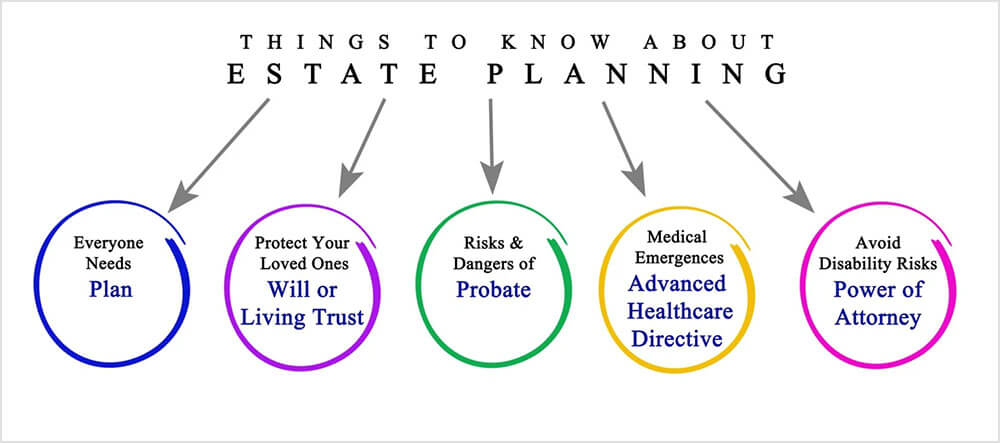
Last Will and Testament

A will is a fundamental document in any estate plan. In Maryland, a valid will must be in writing, signed by the testator (the person making the will), and witnessed by two competent individuals, as required by Md. Code Ann., Est. & Trusts § 4-102. The will allows you to specify how your assets should be distributed upon your death and nominate a personal representative to manage your estate.

Revocable Living Trust

A revocable living trust is an increasingly popular estate planning tool in Maryland. This instrument allows you to transfer ownership of your assets to a trust during your lifetime while retaining control as the trustee. Upon your death or incapacity, a successor trustee manages and distributes the trust assets according to your instructions, often without the need for probate.

Power of Attorney

In Maryland, you can execute both financial and healthcare powers of attorney. These documents allow you to designate an agent to make financial and medical decisions on your behalf if you become incapacitated. Maryland law requires that powers of attorney be in writing and properly executed to be valid, as outlined in Md. Code Ann., Est. & Trusts § 17-101 et seq.

Advance Directive

An advance directive, also known as a living will, allows you to express your wishes regarding end-of-life medical care. Maryland law recognizes the importance of these documents in healthcare decision-making and provides specific forms for their creation under Md. Code Ann., Health-Gen. § 5-601 et seq.

Maryland Statutory Form Limited Power of Attorney

Maryland offers a statutory form limited power of attorney, which provides a standardized document for granting financial powers to an agent. This form, found in Md. Code Ann., Est. & Trusts § 17-203, can be a valuable addition to your estate plan, offering clarity and legal certainty.

Benefits of Creating an Estate Plan in Maryland

Minimizing Probate

Probate is the court-supervised process of administering a deceased person’s estate. In Maryland, probate can be time-consuming and costly. According to the Register of Wills for Maryland, probate fees can range from $50 to $2,500, depending on the estate’s value (Md. Code Ann., Est. & Trusts § 2-206). Additionally, executor fees and attorney fees can further increase costs. A well-crafted estate plan, particularly one utilizing a revocable living trust, can help minimize or avoid probate altogether, saving your beneficiaries time and money.

Example: John, a Maryland resident, created a revocable living trust and transferred his home, investments, and bank accounts into the trust. Upon his death, these assets passed directly to his beneficiaries without going through probate, saving his family thousands of dollars in probate fees and months of court proceedings.

Tax Benefits

Maryland imposes both an estate tax and an inheritance tax, making tax planning a crucial aspect of estate planning. As of 2021, Maryland’s estate tax exemption is $5 million, meaning estates valued below this threshold are not subject to state estate tax (Md. Code Ann., Tax-Gen. § 7-309). However, proper planning can help minimize tax burdens for larger estates through various strategies, such as gifting and trust creation.

Regarding inheritance tax, Maryland is one of the few states that still imposes this tax. However, direct lineal descendants (children, grandchildren, etc.), spouses, siblings, and parents are exempt from inheritance tax. Other beneficiaries may be subject to a 10% inheritance tax on their inheritances (Md. Code Ann., Tax-Gen. § 7-203).

Example: Sarah, a wealthy Maryland resident, worked with her estate planning attorney to implement a gifting strategy. By making annual gifts to her children and grandchildren within the federal gift tax exclusion limits, she was able to reduce the size of her taxable estate and potentially save her heirs hundreds of thousands of dollars in estate taxes.

Control Over Asset Distribution

Without an estate plan, your assets will be distributed according to Maryland’s intestate succession laws (Md. Code Ann., Est. & Trusts § 3-101 et seq.), which may not align with your wishes. By creating a comprehensive estate plan, you maintain control over how your assets are distributed, ensuring your loved ones are provided for according to your desires.

Protection for Minor Children

If you have minor children, an estate plan allows you to nominate a guardian to care for them in the event of your death (Md. Code Ann., Est. & Trusts § 13-701). Additionally, you can establish trusts to manage assets for your children’s benefit until they reach an age you deem appropriate for inheritance.

Example: Michael and Lisa, parents of two young children, created an estate plan that included a testamentary trust. In their will, they nominated Lisa’s sister as guardian for their children and established a trust to manage their assets. The trust provisions ensured that funds would be available for their children’s education and support, with full distribution of assets occurring when each child reached age 25.

Digital Asset Management

In today’s digital age, it’s crucial to consider your digital assets in your estate plan. Maryland has adopted the Revised Uniform Fiduciary Access to Digital Assets Act (Md. Code Ann., Est. & Trusts § 15-601 et seq.), which provides a framework for managing and accessing digital assets after death or incapacity. Your estate plan can include provisions granting your fiduciaries access to your digital accounts, ensuring proper management of your online presence and digital property.

Example: David, an avid cryptocurrency investor, included specific provisions in his estate plan granting his executor access to his digital wallets and exchange accounts. This foresight ensured that his valuable digital assets could be properly accessed and distributed to his heirs.

Special Needs Planning

For families with members who have special needs, estate planning is particularly crucial. A properly structured special needs trust can provide for a disabled loved one without jeopardizing their eligibility for government benefits. Maryland law recognizes and provides for special needs trusts under Md. Code Ann., Est. & Trusts § 14.5-1002.

Example: Robert and Emily have a daughter with autism who receives Supplemental Security Income (SSI). They created a special needs trust as part of their estate plan to provide for their daughter’s supplemental needs without disqualifying her from essential government benefits.

Consequences of Not Having an Estate Plan in Maryland

The Reality of Dying Intestate in Maryland

The primary issue with intestate succession is that it rarely aligns perfectly with a person’s actual wishes. 

For example, many people assume that a surviving spouse will automatically inherit everything. However, in Maryland, if you die with a surviving spouse and minor children, the spouse only receives one-half of the estate, while the children share the other half. If the children are adults, the spouse receives the first $40,000 plus half of the remaining balance. 

This can lead to significant financial strain for a surviving spouse who may need the full estate to maintain their quality of life or pay off a mortgage.

Family Conflicts and Potential Legal Battles

These legal disputes are not only emotionally draining during a time of grief but are also financially devastating. The costs of hiring litigation attorneys and the fees associated with prolonged court oversight are paid directly out of the estate’s assets. By the time a judge settles the dispute, the total value of the inheritance may be significantly depleted, leaving the intended heirs with far less than they would have received under a structured plan.

Lack of Control Over Healthcare and Incapacity

While the law provides a priority list of who can make decisions (e.g., a guardian, spouse, adult children, or parents), these individuals may not be the ones you trust most with life-altering medical choices. 

Furthermore, without a Financial Power of Attorney, your family might be forced to petition the court for a “guardianship of the property” just to pay your bills or manage your investments. This process is public, expensive, and requires ongoing reporting to the court, all of which could be avoided with simple planning documents.

Recent Updates to Maryland Estate Tax Laws

If your estate exceeds this $5 million threshold and you have not utilized tax-saving strategies like trusts or lifetime gifting, your heirs could face a state estate tax of up to 16%. Regularly reviewing your plan is essential to ensure that you are taking advantage of “portability”—the ability of a surviving spouse to use the unused portion of their deceased spouse’s $5 million exemption—which requires specific filings with the Comptroller of Maryland.

Maryland’s Small Estate Administration

While this process is faster and requires less paperwork, it still necessitates filing with the Register of Wills. Even for small estates, having a will is beneficial because it allows you to waive the “bond” requirement, saving the estate the cost of paying an insurance company to guarantee the Personal Representative’s performance.

Comparing Maryland to Neighboring Jurisdictions

Delaware also lacks a state estate tax. Because Maryland is one of the few states that still maintains its own estate tax, residents must be particularly diligent. Working with an attorney who understands these nuances is the only way to ensure your legacy is protected from unnecessary taxation and state interference.

Selecting a Maryland Estate Planning Attorney

When creating or updating your estate plan, it’s essential to work with an experienced Maryland estate planning attorney.

Look for an attorney who:

  1. Specializes in estate planning and is familiar with Maryland’s specific laws
  2. Stays current with changes in state and federal estate planning regulations
  3. Can provide personalized advice based on your unique financial situation and family dynamics
  4. Has experience with complex estate planning tools such as various types of trusts and tax-saving strategies

Final Thoughts

Creating a comprehensive estate plan in Maryland offers numerous benefits, including probate avoidance, tax minimization, asset protection, and peace of mind. By working with an experienced Maryland estate planning attorney, you can ensure that your wishes are properly documented and legally enforceable, providing for your loved ones and protecting your legacy.

Remember, estate planning is not a one-time event. As your life circumstances change and laws evolve, it’s important to review and update your estate plan regularly to ensure it continues to meet your needs and goals.

Contact Us to learn more about your estate planning options. Call (443) 702-5769 or send a us message.

Disclaimer: This blog post is for informational purposes only and does not constitute legal advice. The information provided here may not be current or applicable to your specific situation. Laws and regulations change frequently, and their application can vary based on individual circumstances. Always consult with a qualified Maryland estate planning attorney for personalized advice regarding your estate planning needs.

Frequently Asked Questions: The Benefits of Creating an Estate Plan in Maryland

Why do I need a tailored estate plan in Maryland?

A comprehensive Maryland estate plan ensures your assets pass to chosen beneficiaries smoothly while minimizing probate costs and state taxes. Without a plan, statutory intestate rules under MD Code, Estates and Trusts § 3-101 dictate distribution. Proper planning protects your family, preserves wealth, outlines healthcare choices, and establishes legal guardians for minor children according to explicit statutory procedures.

How does an estate plan help my family avoid Maryland probate?

Living trusts, joint ownership, and transfer-on-death registrations under MD Code, Estates and Trusts § 16-107 transfer property directly to loved ones outside the Register of Wills proceedings. Avoiding formal probate reduces administrative court fees, eliminates lengthy public proceedings, and speeds up asset distribution. This proactive structuring keeps family financial matters private while protecting heirs from unnecessary stress.

What happens if I pass away without a will in Maryland?

Dying intestate means Maryland law dictates asset distribution among relatives under MD Code, Estates and Trusts § 3-102. Courts appoint a personal representative to manage assets, potentially creating delays and family friction. Unmarried partners receive nothing, minor children may require court-appointed guardians, and tax planning opportunities are completely lost, making legal preparation essential for asset protection. 

Can an estate plan minimize Maryland estate and inheritance taxes?

Yes, strategic planning reduces tax exposure through irrevocable trusts, lifetime gifting strategies, and marital deduction provisions. Maryland imposes an estate tax and an inheritance tax under MD Code, Tax – General § 7-203, though direct descendants are exempt. Proper legal structuring ensures non-exempt relatives minimize tax liabilities, preserving a significantly larger portion of your accumulated wealth for future generations.

What is the difference between a Will and a Revocable Living Trust?

A will takes effect only after death and requires court probate to transfer property. A revocable living trust established pursuant to MD Code, Estates and Trusts § 14.5-601 manages assets during life and transfers them privately upon death. Trusts also provide seamless incapacity planning, allowing a designated successor trustee to manage assets immediately if you become disabled.

How does an estate plan protect my minor children in Maryland?

An estate plan lets you formally designate legal guardians for minor children under MD Code, Estates and Trusts § 13-101, preventing court custody disputes. Additionally, creating testamentary or standalone trusts prevents minors from inheriting assets outright at age eighteen. You name a trusted trustee to manage financial assets, funding education, living expenses, and healthcare until children reach a mature age specified by you.

What power of attorney documents should I include in Maryland?

A statutory financial power of attorney under MD Code, Estates and Trusts § 17-202 designates an agent to handle financial affairs if you are incapacitated. A Maryland Advance Directive designates a healthcare agent and specifies end-of-life care choices under MD Code, Health – General § 5-602. Having both durable documents prevents costly, time-consuming court guardianship proceedings during sudden medical crises.

How can an estate plan protect my beneficiaries from creditors?

By placing inheritances into discretionary or spendthrift trusts governed by MD Code, Estates and Trusts § 14.5-502, you shield assets from your beneficiaries’ creditors, future ex-spouses, and personal lawsuits. The trustee controls distributions, ensuring inherited wealth remains protected within the trust framework while still providing financial support and long-term security for your loved ones across their lifetimes.

When should I update my existing Maryland estate plan?

You should review your estate plan every three to five years, or immediately following major life events. Marriage, divorce, birth of children, buying real estate, moving states, or legislative changes to MD Code, Estates and Trusts § 4-105 warrant immediate updates. Keeping documents current ensures your legal provisions reflect current state statutes and accurately align with evolving personal goals and family circumstances.

How does an advance directive work under Maryland law?

Under MD Code, Health – General § 5-603, a Maryland Advance Directive combines a medical power of attorney with a living will. It allows you to select a healthcare representative and outline treatment preferences regarding life-sustaining procedures. This legal document ensures medical providers honor your personal wishes during emergencies and relieves family members of making agonizing medical decisions without clear legal guidance during crises.

Can an estate plan protect my business in Maryland?

Yes, estate planning coordinates business succession by establishing buyout agreements, transfer structures, and managing governance transitions under MD Code, Corporations and Associations § 4A-606. Without proper structure, unexpected death or incapacity can freeze company operations, cause partnership disputes, or force liquidation to pay taxes. A strong plan maintains business continuity, preserves commercial value, and protects ongoing income streams for your surviving family.

How do I choose the right personal representative or trustee?

Select a reliable, financially responsible individual or corporate trustee under MD Code, Estates and Trusts § 6-101 capable of managing complex administrative duties. Your representative must communicate well, understand legal obligations, and act impartially toward all beneficiaries. Naming backup fiduciaries is equally important, ensuring experienced oversight continues smoothly if your primary choice becomes unable or unwilling to serve when needed.

Last Updated: September 2026

https://www.nguyenroche.com/wp-content/uploads/2025/12/images_blog_create-estate-planr.jpg 667 1000 Nguyen Roche https://www.nguyenroche.com/wp-content/uploads/2026/05/logo1.png Nguyen Roche2024-05-27 19:42:522026-09-22 10:33:41The Benefits of Creating an Estate Plan in Maryland

Our Latest Posts

  • How to Update Your Estate Plan After a Business Sale, Divorce, or Major Property Transaction
  • How Lease Guarantees and Security Deposits Operate in Serious Tenant Defaults
  • How Do Commercial Collections and Judgment Enforcement Work for Maryland Businesses?
  • Drafting Payment and Remedies Provisions to Improve Collection Outcomes
  • Can a Creditor Put a Lien on Your Maryland Real Estate or Rents to Collect a Judgment?
  • Coordinating Your Will, Trust, and Operating Agreements So They Don’t Conflict
  • What Happens When a Minority Owner Is Frozen Out of a Maryland Business?
  • How Can Succession Planning Protect Your Maryland Company If a Key Owner Leaves or Dies?
  • How Can Investors Protect Themselves in Real Estate Syndication and JV Agreements?
  • Do You Need a Lawyer for a Maryland 1031 Exchange or Like‑Kind Property Swap?
Nguyen Roche
Nguyen Roche
Review Us

Locations

Owings Mills
500 Redland Ct,, Ste. 212
Owings Mills, MD 21117
Maps & Directions

Phone: (443) 238-0160
(By appointment only)

Baltimore
6 E. Eager Street
Baltimore, MD 21202
Maps & Directions

Phone: (443) 238-0160
(By appointment only)

Practices

  • Business and Corporate Law
  • Real Estate Law
  • Family Law
  • Estate Planning Lawyers in Maryland
  • Criminal Defense Lawyer
  • Personal Injury

Links

  • Home
  • Our Firm
  • Lawyers
  • Practices
  • Industries
  • Insights
  • Resources
  • Inclusion
  • Careers
  • Let’s Talk
  • Pay Online

Sign Up for Our Newsletter

    © 2026 Nguyen Roche. All Rights Reserved. Site By Too Darn Loud - Digital Marketing
    • Terms of Use
    • Privacy Policy
    • Sitemap
    Scroll to top Scroll to top Scroll to top